
Electrodiagnostic Testing
When nerves and muscles are damaged by injury or disorder, their inherent electric activity is abnormal. We can measure this electrical activity by using NCS (Nerve Conduction Studies) and EMG (Electromyography). Data obtained from NCS and EMG provide valuable information in helping to diagnose specific conditions. Such information help to inform proper rehabilitation and treatment strategies.
If you are experiencing persistent numbness, tingling, burning sensations, muscle weakness, or unexplained pain, these symptoms could be signs of a problem with how your nerves or muscles are functioning. You might notice that your hands or feet frequently feel numb, that you have difficulty gripping objects, or that weakness makes walking, climbing stairs, or lifting your arms more challenging. When symptoms like these raise concern for a nerve or muscle condition, your provider may recommend electrodiagnostic testing to get a closer look at how your nervous system is working. Nerve conduction studies measure how well electrical signals travel through your nerves, while electromyography evaluates the electrical activity within your muscles. Together, these tests provide a more detailed picture of nerve and muscle function.

Nerve Conduction Studies (NCS)
Nerve conduction studies are tools that helps to measure the speed and quality of nerve electric activity. They help locate the site of nerve damage. The study entails applying a small current over the nerve to measure the electrical signal of that nerve. The current causes a very small shock. Data is transmitted to a screen and is interpreted by trained technicians or physicians.
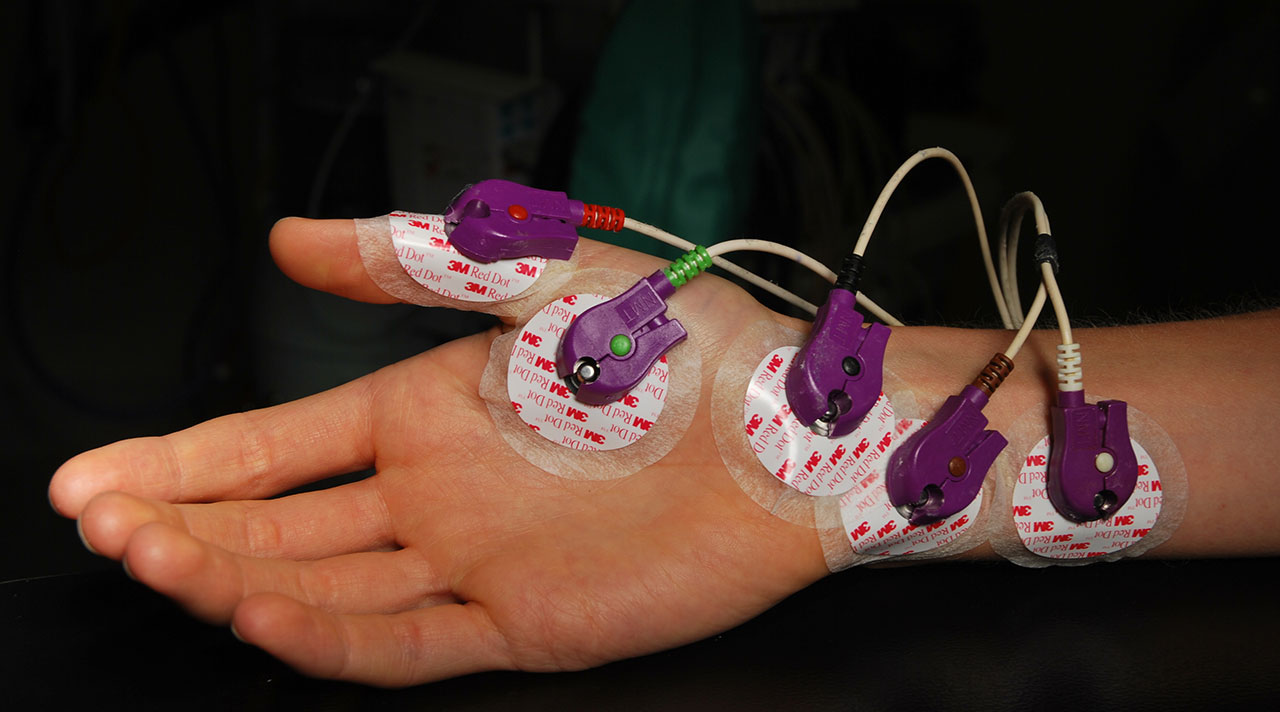
Electromyogram (EMG)
Electromyography is a tool that helps to measure muscles’ electrical activity. A tiny pin is placed into the center of the muscle and measures activity at rest and during contraction. Data is transmitted to a screen and “speaker” which allows the technician or physician to help diagnose disease or damage.
What to Expect about Electrodiagnostic Testing
- The test may take several hours. You may experience some discomfort from the electric current and/or pin insertion. Minor bleeding may occur around the pin insertion site. There are no activity or driving restrictions before or after the test.
- No lotion, oils, or makeup should be worn on the day of the testing as they may interfere with the results. Please shower prior to the exam.
- Discuss all medications you are taking with the provider. Some medications such as blood thinners (Warfarin) or anticholinesterase inhibitors (Mestinon) may need to be held the morning prior to the exam as they may alter the results of the studies.
- Pacemakers may be affected by the electric impulses during the NCS. Please discuss with the provider if you have a pacemaker.